Northern Circuit Parks
Tanzania's most popular and accessible wildlife destinations
Serengeti National Park
Endless plains of Africa's most famous wildlife destination
The Serengeti is Tanzania's oldest and most popular national park, also a UNESCO World Heritage Site and recently proclaimed a 7th worldwide wonder. The name Serengeti comes from the Maasai word "Siringet" meaning "endless plains," which perfectly describes its vast savannas stretching as far as the eye can see.
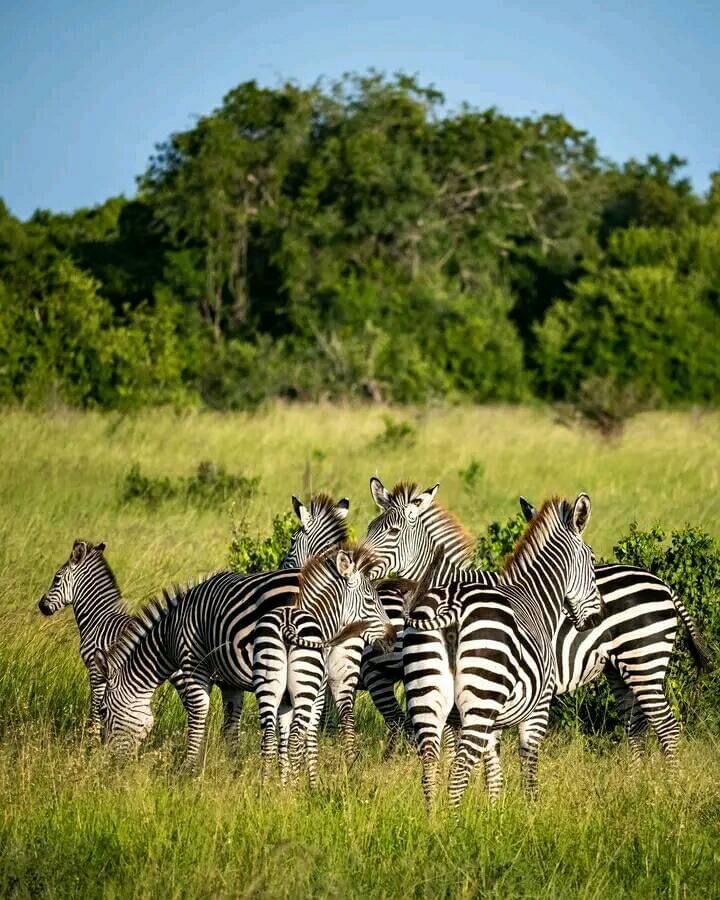
Home to the spectacular Great Migration, where over 1.5 million wildebeest, 200,000 zebras, and 300,000 Thomson's gazelles follow the rains in a circular pattern through Tanzania and Kenya. The park also boasts impressive populations of lions, leopards, cheetahs, elephants, and countless other species.
Key Highlights:
- Highest density of lions in Africa
- The Great Migration (year-round, locations vary)
- Excellent leopard sightings in Seronera
- Diverse antelope species including impala, gazelle, and eland
- Spectacular sunrise and sunset game drives
- Hot air balloon safaris over the plains
Best Activities:
Game Drives Hot Air Balloon Bush Breakfasts Walking SafarisBest Time to Visit:
June - October for dry season and general wildlife viewing. December - March for calving season in Southern Serengeti. June - July for river crossings in Western Corridor.

Ngorongoro Conservation Area
The world's largest intact volcanic caldera and wildlife paradise
Often called the "Eighth Wonder of the World," Ngorongoro Crater is the world's largest unbroken caldera, formed when a giant volcano exploded and collapsed about 2-3 million years ago. The crater floor covers 260 square kilometers and hosts an incredible concentration of wildlife.
This unique ecosystem supports around 25,000 large animals, including the Big Five. The crater is particularly famous for its black rhino population, which is one of the few places in Tanzania where these endangered creatures can still be seen in the wild.
Key Highlights:
- Best place in Tanzania to see black rhinos
- Large pride of lions with distinctive crater behavior
- Dense elephant population including large-tuskers
- Lake Magadi with pink flamingos
- Stunning crater rim views and lodges
- Maasai cultural experiences on crater rim
Best Activities:
Crater Floor Game Drives Crater Rim Walks Maasai Village Visits Olduvai GorgeBest Time to Visit:
Year-round, but April - May may have poor visibility due to rain. The dry season (June - October) offers the best game viewing conditions.

Tarangire National Park
Land of giants with massive baobab trees and elephant herds
Named after the Tarangire River that winds through the park, this gem is often overlooked but rewards visitors with spectacular wildlife viewing and stunning landscapes. Famous for its massive elephant herds and iconic baobab trees that dot the landscape like natural sculptures.
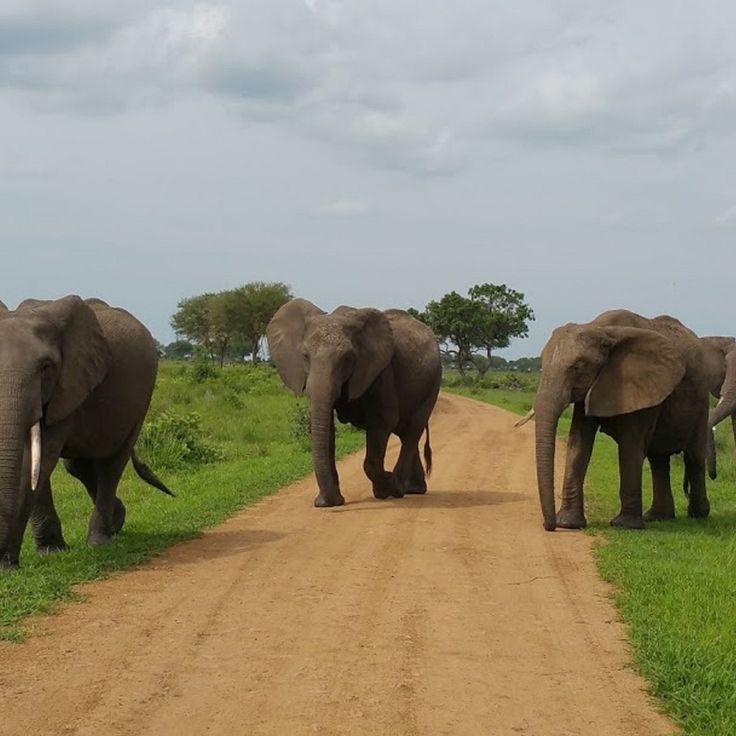
During the dry season, Tarangire boasts the second-highest concentration of wildlife in Tanzania, surpassed only by the Ngorongoro Crater. The park is particularly renowned for its elephant population, with herds of up to 300 individuals gathering at the river.
Key Highlights:
- Largest elephant population in northern Tanzania
- Spectacular baobab tree forests
- Excellent tree-climbing leopard sightings
- Highest density of giraffes per square kilometer
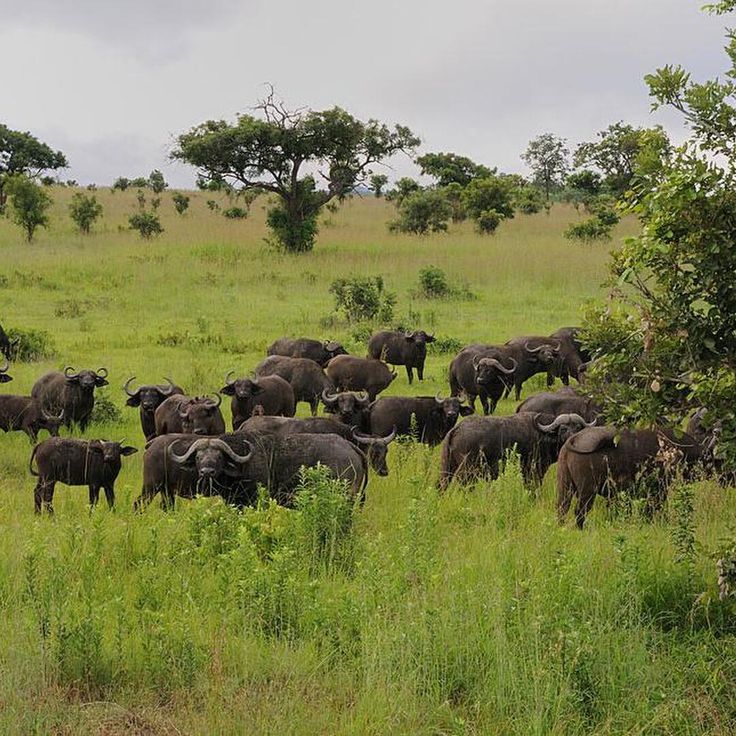
- Large herds of wildebeest, zebra, and buffalo
- Over 550 bird species including endemic species
Best Activities:
Game Drives Walking Safaris Night Game Drives Bird WatchingBest Time to Visit:
June - October for the dry season when wildlife concentrates around the Tarangire River. January - February also excellent for wildlife viewing.

Lake Manyara National Park
Diverse ecosystems from groundwater forests to alkaline lakes
Lake Manyara National Park may be small but packs an incredible diversity of ecosystems and wildlife into its compact area. Ernest Hemingway once called it "the loveliest I had seen in Africa," and its beauty remains undiminished today.
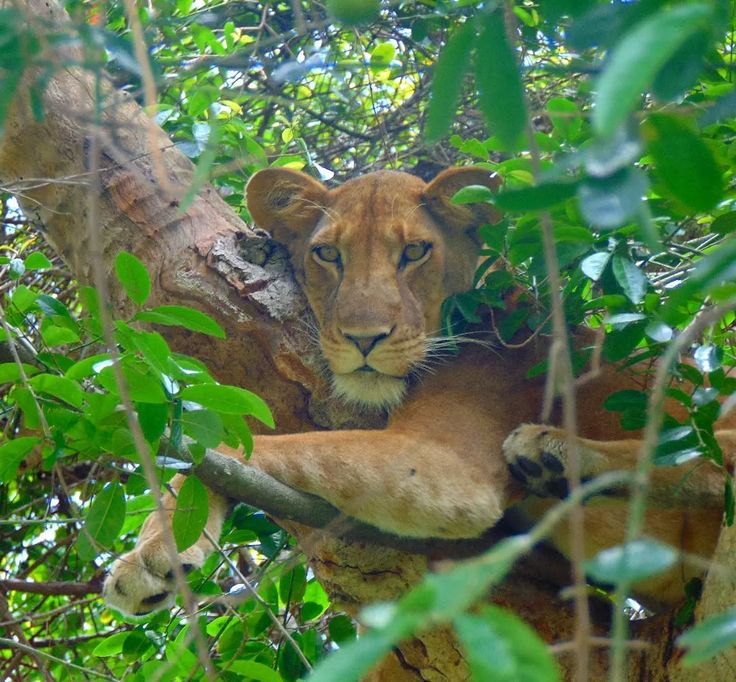
The park is famous for its tree-climbing lions, a rare behavior that remains a mystery to scientists. It's also a paradise for bird watchers with over 400 species recorded, including millions of pink flamingos that cover the lake in a blanket of pink.
Key Highlights:
- 🌳 Famous tree-climbing lions
- 🦩 Millions of pink flamingos on the lake
- 🐒 Large troops of olive baboons and blue monkeys
- 🐘 Huge herds of elephants and buffalo
- 🌲 Diverse habitats from forest to grassland
- 🚴♂️ Mountain biking and canoeing options
Best Activities:
Game Drives Canoeing Mountain Biking Forest WalksBest Time to Visit:
Year-round, but July - October for dry season game viewing. December - March for bird watching when flamingos are present in large numbers.
Arusha National Park
Hidden gem with Mount Meru and diverse landscapes
Often overlooked in favor of larger parks, Arusha National Park offers a complete African experience in miniature. From the rugged peaks of Mount Meru to the tranquil shores of Momella Lakes, this park packs incredible diversity into a small area.
The park is one of the few places where walking safaris are permitted, offering visitors the unique opportunity to explore the bush on foot. It's also home to the beautiful Mount Meru, Tanzania's second-highest peak, which can be climbed in 3-4 days.
Key Highlights:
- 🏔️ Mount Meru - Tanzania's second-highest peak
- 🦒 Large giraffe population
- 🚶 Walking safaris in the wilderness
- 🦩 Beautiful Momella Lakes with flamingos
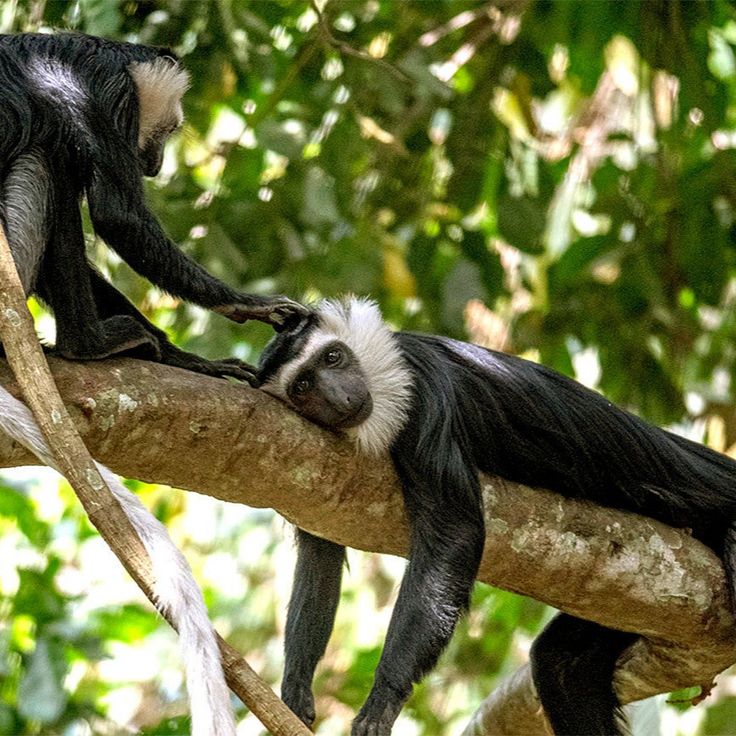
- 🐒 Black and white colobus monkeys
- 🌋 Ngurdoto Crater - miniature Ngorongoro
Best Activities:
Game Drives Walking Safaris Canoeing Mount Meru ClimbBest Time to Visit:
Year-round, though June - October is best for game viewing. January - February is excellent for bird watching.